
Swiss Foundation
Spielzeit at a Glance – A Project of the MLFI Foundation
Organizers of the Spielzeit
The Spielzeit is the flagship project of the nonprofit and tax-exempt Swiss foundation “The M.-L. von Franz Institute for Studies in Synchronicity” (MLFI) in Zurich. The MLFI foundation is supervised by the Swiss Federal Foundation Supervisory Authority (ESA) , which allows Spielzeit to maintain lean administrative structures. Spielzeit operates with professional and methodological independence.
Who is “Spielzeit” for?
For children and adolescents with illness, trauma, disabilities, or neurodiversity, their families, and supporting professionals.
What does Spielzeit offer?
Specialized psychological support: assessment, psychotherapy, counseling, supervision, and continuing education.
What are donations used for?
For therapy materials and necessary psychological and psychotherapeutic services provided by Spielzeit that are not, not yet, or not sufficiently funded by public authorities or state social insurance programs.
Who benefits from the donations?
The MLFI Foundation is the legal entity and recipient of donations. Donations are used exclusively to support the Spielzeit.
Legal Information About the MLFI Foundation
Commercial Register Extract I Zefix–Entry
Donations
Your donation for the Spielzeit
Your donation will go exclusively toward the Spielzeit.
Why does Spielzeit need donations?
No family should be left to fend for itself simply because its expenses aren’t covered. In emergency situations, help must be available immediately, without having to wait for assurances.
Since 1984, we have been committed to ensuring that children and adolescents dealing with illness, trauma, disabilities, or neurodiversity receive tailored, long-term psychological support.
Spielzeit combines specialized psychological support for children and adolescents with counseling for their families, as well as supervision and continuing education for professionals. This is how our work benefits young people, their families, and professionals.
What Donations Actually Make Possible
As a nonprofit organization, we rely on donations. With your support, you help us cover costs when funding is lacking or insufficient:
- Therapies for traumatized children and adolescents with trauma, disabilities, or neurodiversity
- Counseling for Families with Disabilities in Emergency Situations
- Supervision for Professionals Who Work with Individuals Exhibiting Challenging Behavior
Donations are used to specifically fund services that are not, not yet, or only partially covered by existing funding sources. These include, in particular, temporary financial assistance pending approval of coverage, networking meetings, supplemental expert counseling, crisis intervention, supervision, and specialized therapy materials.
Support from Spielzeit is provided after a careful assessment of needs and as a supplement to existing funding options.
“Your donation creates space for healing and a renewed zest for life for children facing severe hardships.”
Lara Gmür, Head of Fundraising
Transparency, Deductibility, and Controlling
Donations are tax-deductible. Earmarked project donations are recorded separately and used in accordance with the agreed-upon funding commitment. Upon request, funding partners will receive a project-specific confirmation detailing the use of funds and the achievements made. Oversight of the use of donations is ensured by the auditing firm Lienhard Audit AG in Zurich and the Swiss Federal Foundation Supervisory Authority.
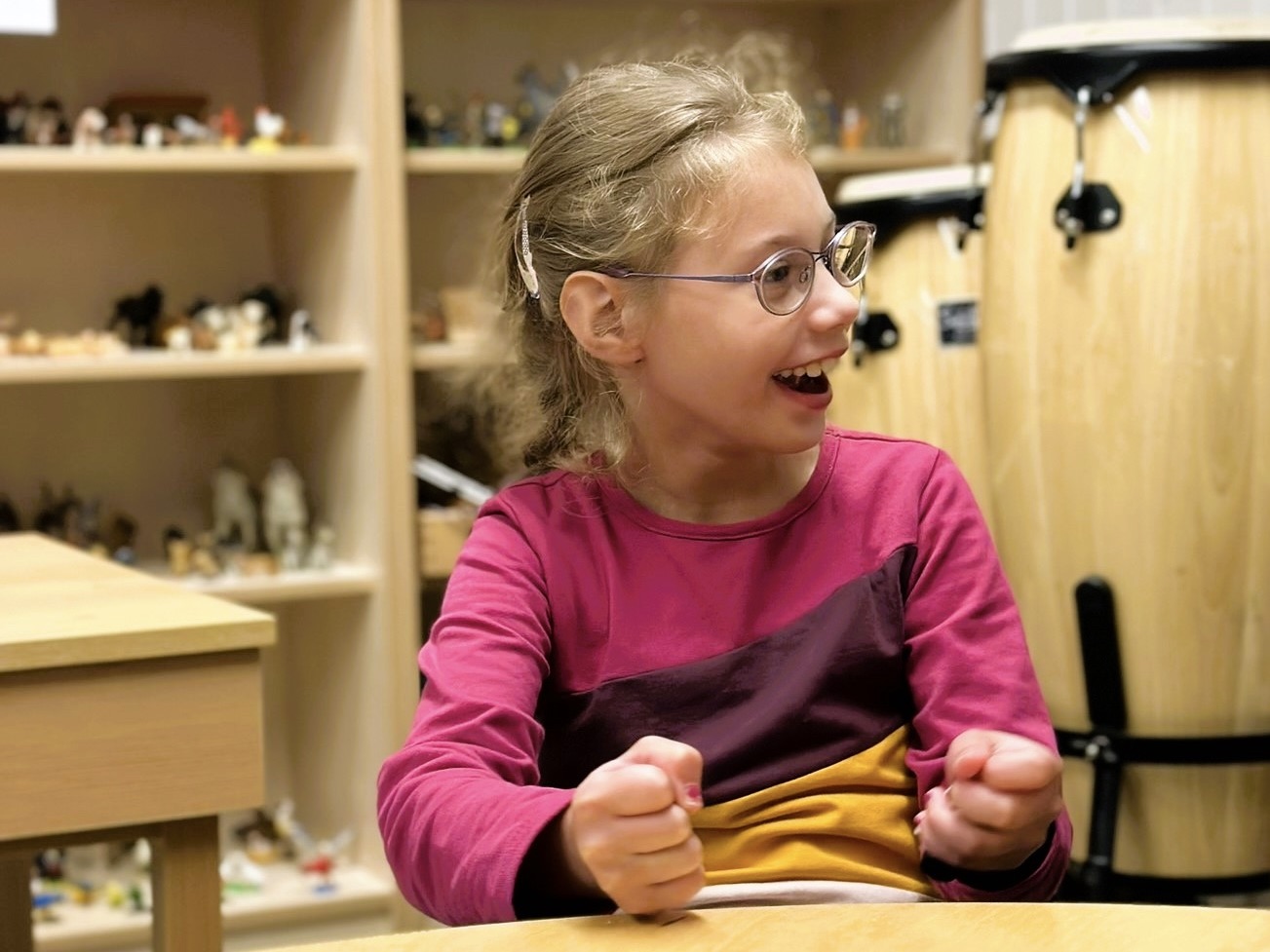
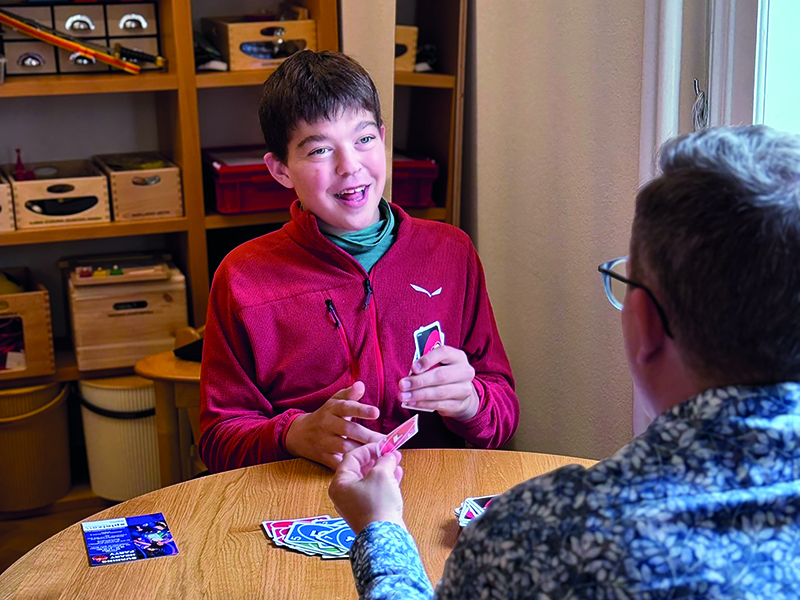
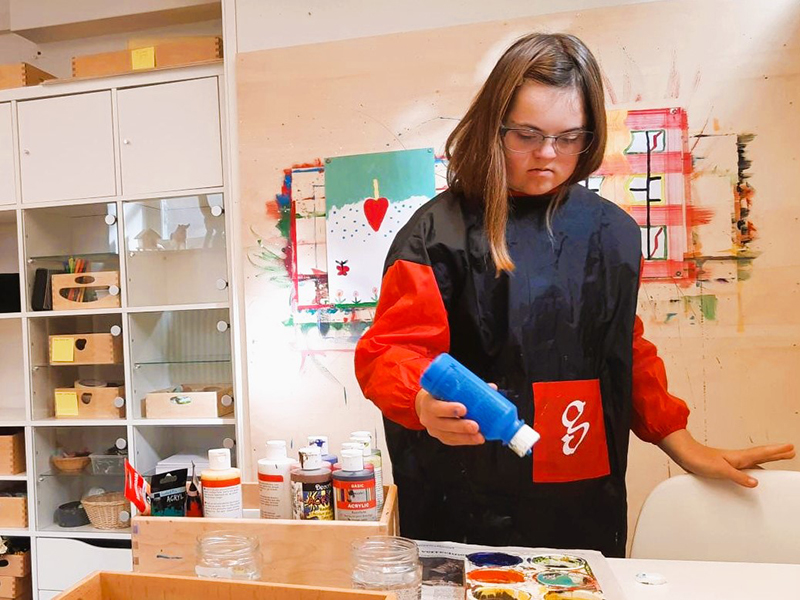
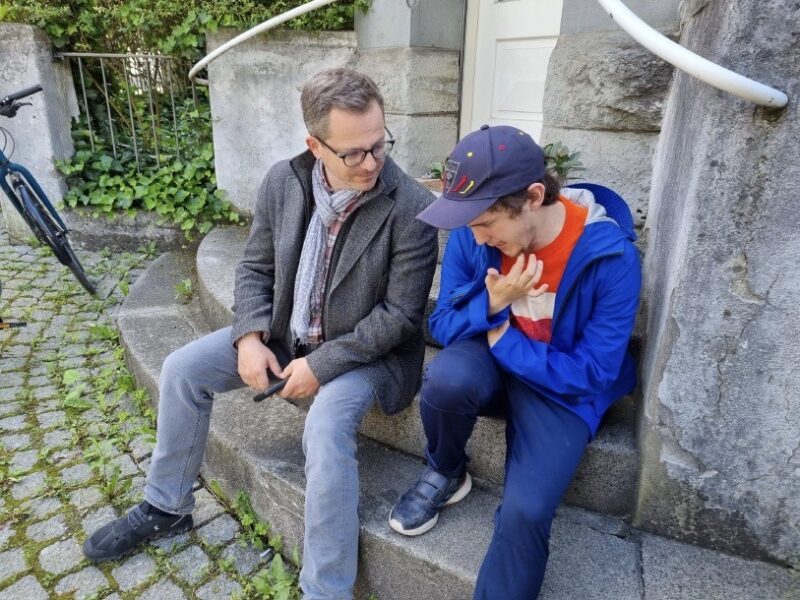
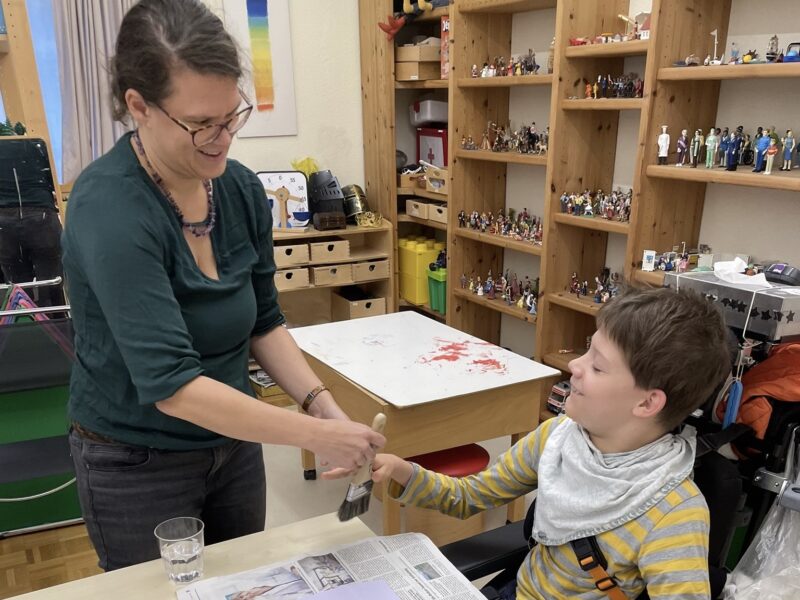
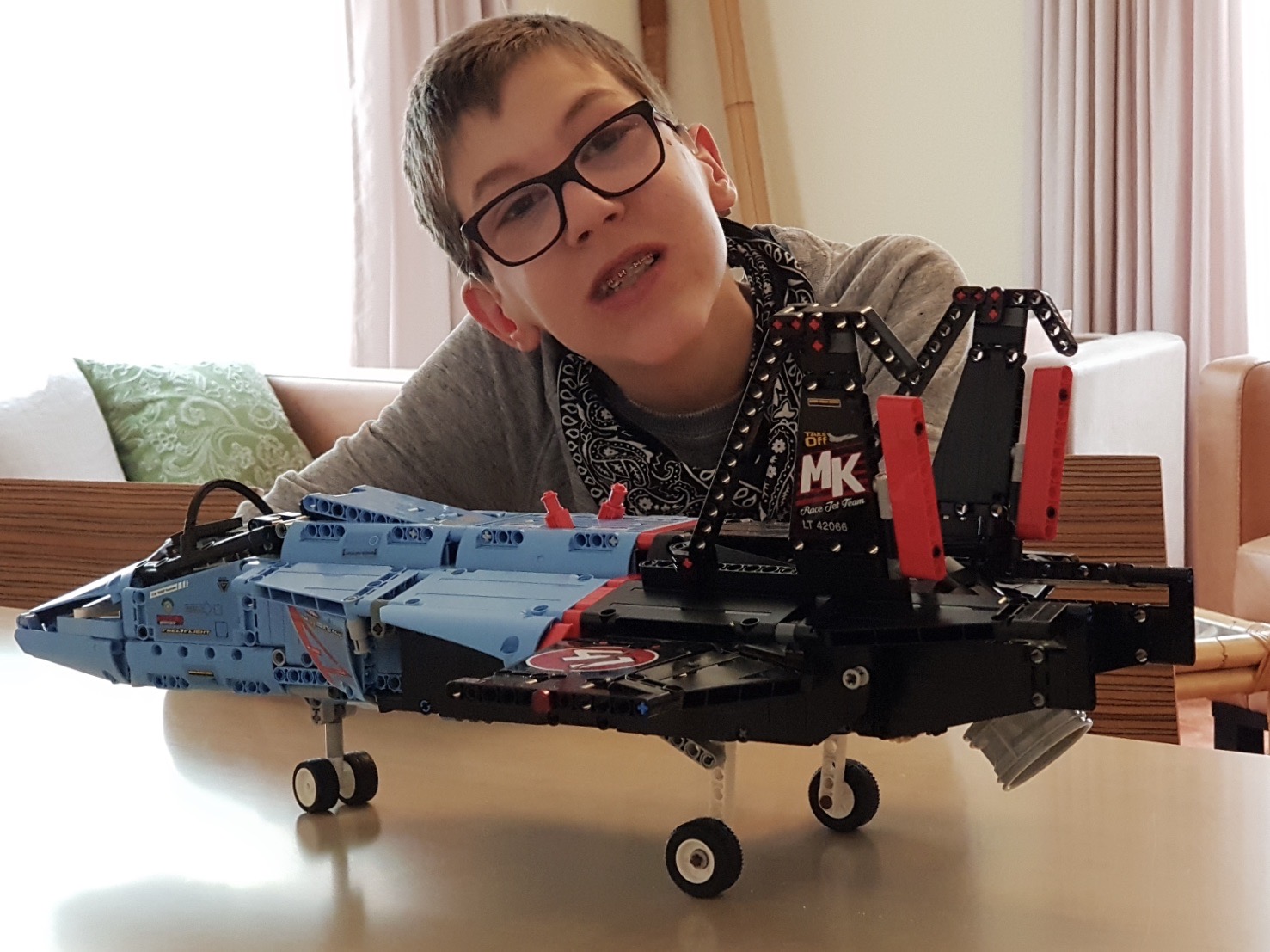
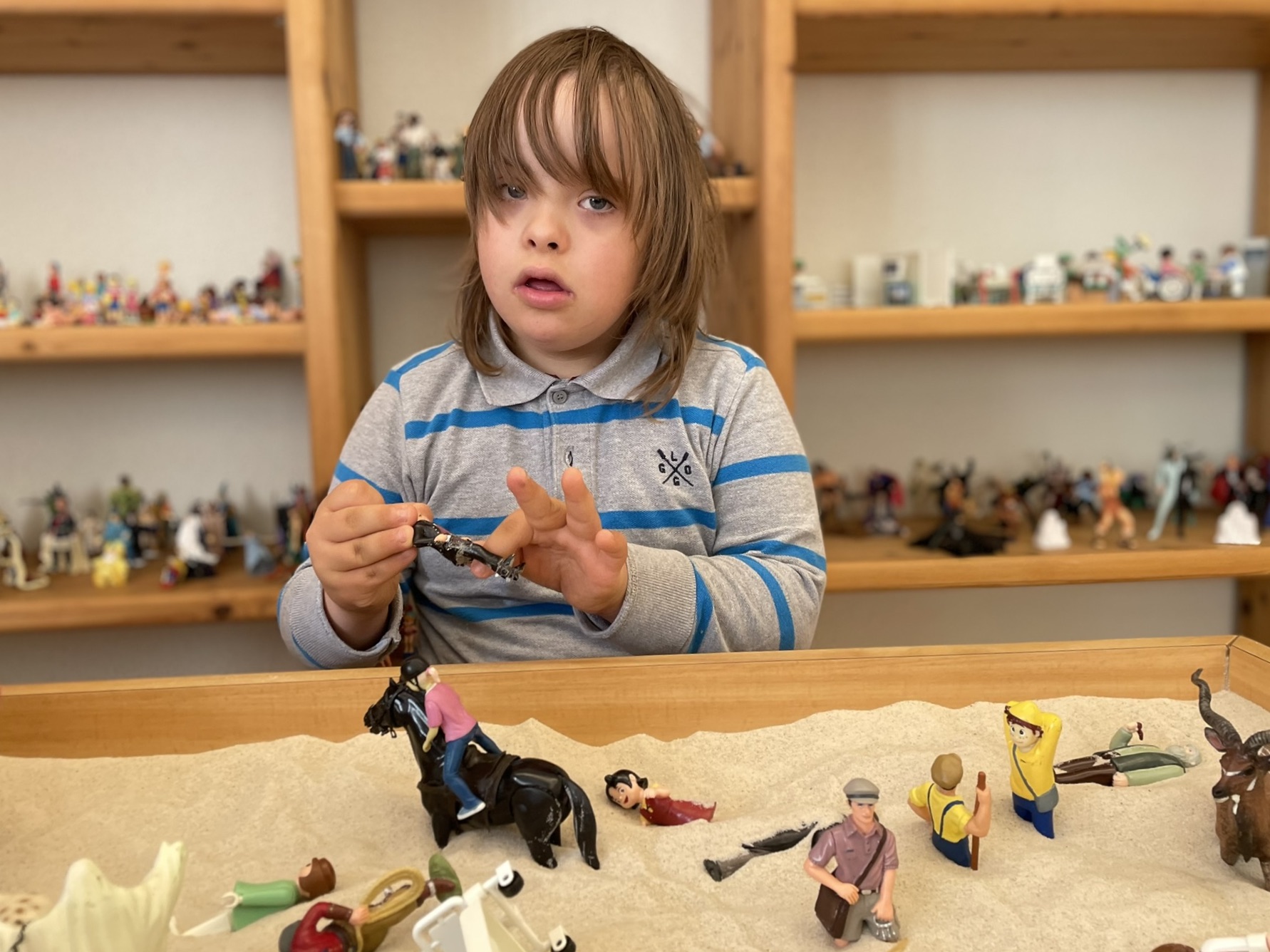
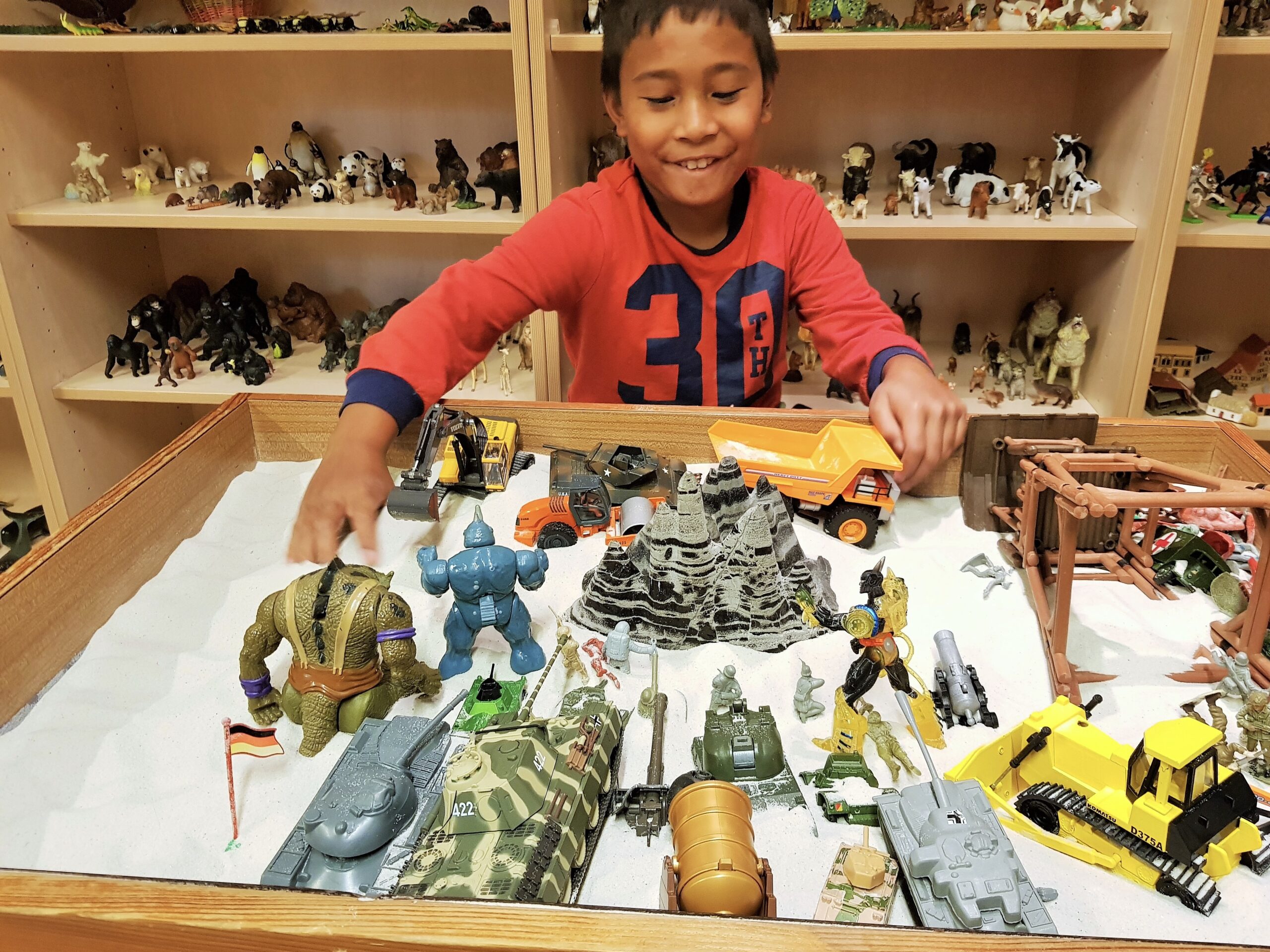
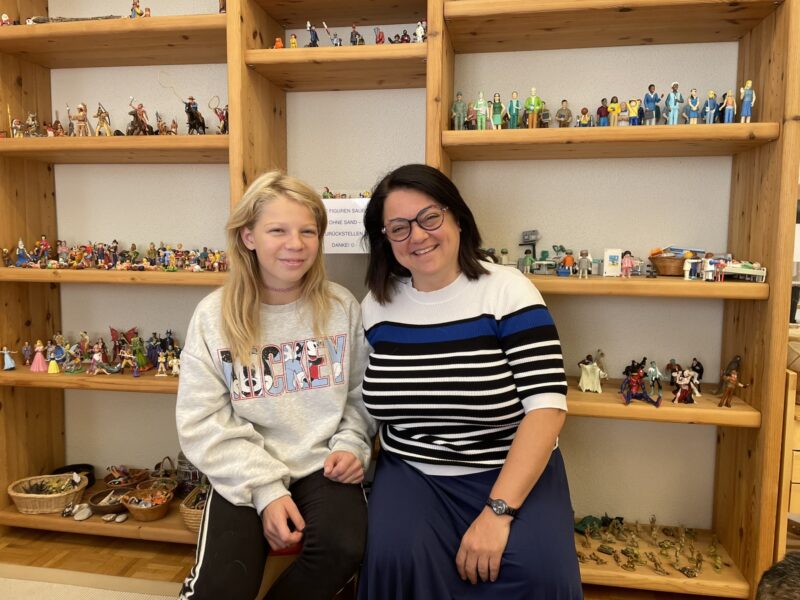
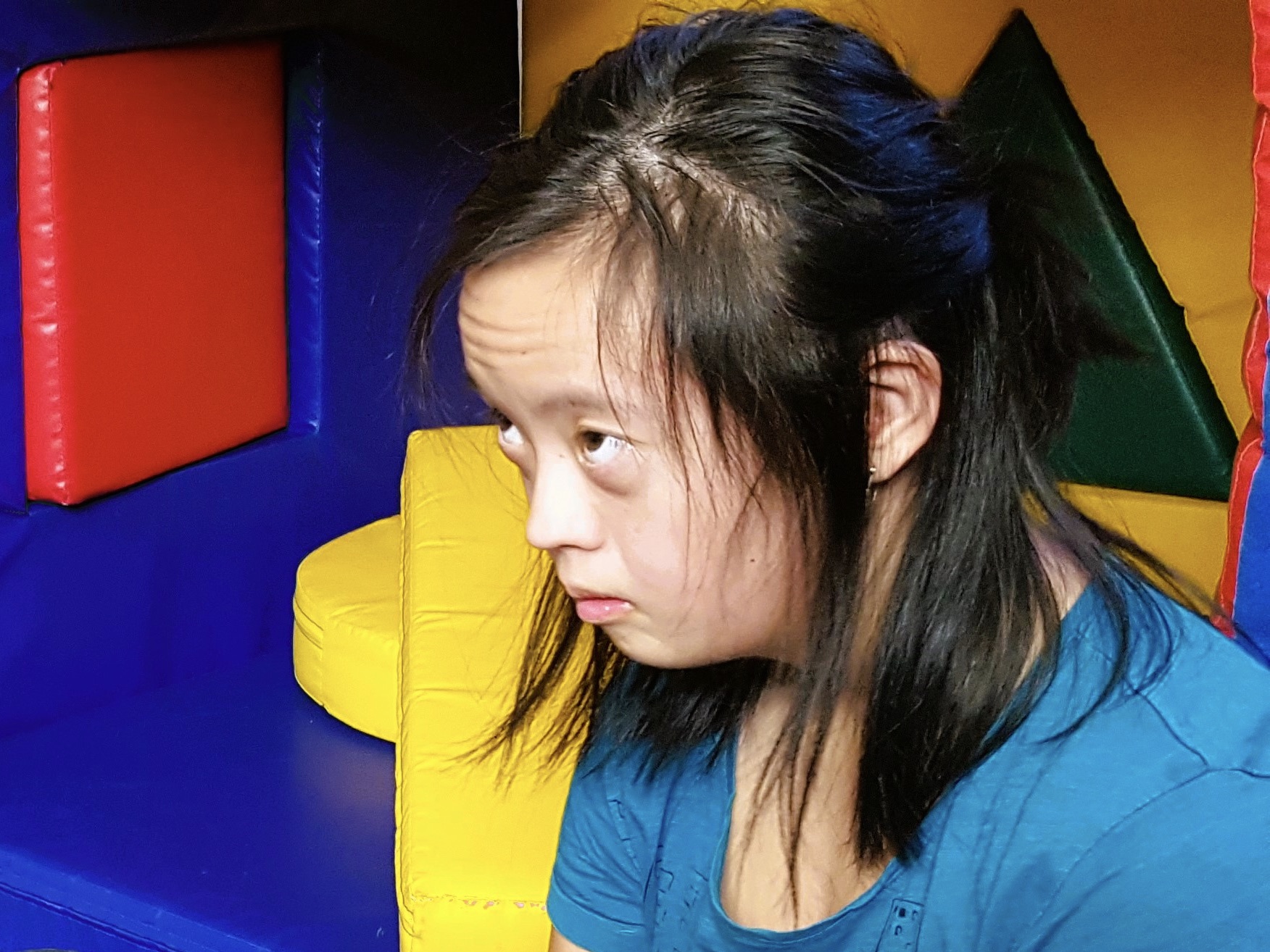
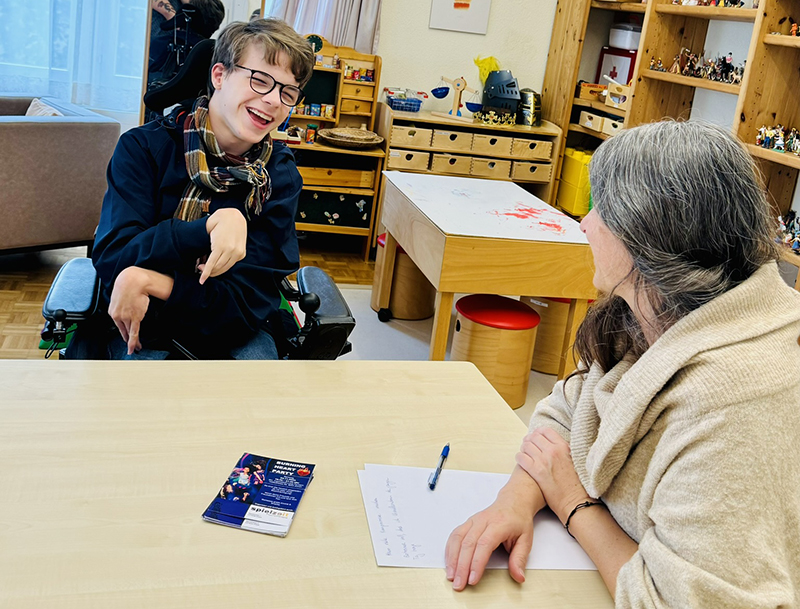
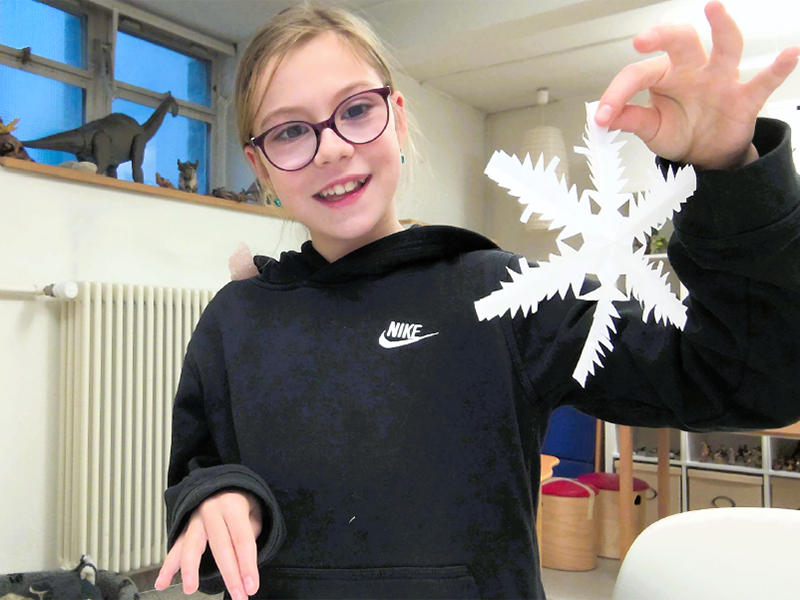
Children and teenagers who feel well taken care of during Spielzeit.
Find a couse that speaks to you
Every contribution helps – for example in emergencies when there is not yet an order for psychotherapy or for the purchase of special therapy materials.
Project Donation
Thanks to our therapy and counseling project “FörderUns,” countless children and adolescents in difficult life situations have already been guided through their crises.
Testamentary Donation
Would you like to pass on the gift of a fulfilled life to disadvantaged children? Then leave a lasting legacy by including a charitable bequest in your will.
Contact: Donations and Fundraising
We would be happy to provide you with upon request . In addition, Lara Gmür is personally available to provide further information and looks forward to speaking with you:
Lara Gmür, Psychologist (FSP), Head of Fundraising
Phone +41 43 810 08 10, lara.gmuer-mindell@spielzeit.ch
A Case Study
Sandra has been through something unspeakably difficult
Sandra (name changed) has a moderate intellectual disability and mild obesity. She is growing up in a foster family after being removed from her birth family at the age of 9. What exactly happened is only recorded in the files—and even there, not everything is included. Sandra is a lively, boisterous child. She loves to dress up, invents games, and when she laughs, the whole room laughs with her.
Then the anger sets in—and no one knows where it comes from
At age 11, Sandra begins to change. At first slowly—then with full force. She hits out. She bites herself. She screams for no apparent reason. She suddenly withdraws and stares into space. She mostly talks to herself and hardly responds to others anymore. Her foster family is at their wits’ end. The school refers to her behavior as “challenging.” The Child and Adolescent Mental Health Service (KJPP) was consulted but could find no solution.
read moreWhat wasn’t visible: Sandra’s body remembers something she cannot put into words. These are clear signs of trauma that point to helplessness and vulnerability. They are not, as previously assumed, characteristics of her intellectual disability. The aggressive behavior is not misbehavior—it is the only outlet through which something that cannot be put into words finds a way to the outside world. The wounded child within her is desperately seeking a way to express herself.
Therapy—but the IV takes 6 months
Sandra is joining the “Spielzeit” program. Due to her severe lack of social connection and dissociation, we are beginning therapeutic work with her as part of the “Spielzeit Method” through a three-person therapy session. We have developed this specialized treatment approach over the past 20 years, and it involves two psychotherapists.
It takes six months for the IV to issue a positive decision on the application for cost coverage—and even then, it covers only one of the two therapists. The second specialist is funded by our foundation.
“Only with a donation can Sandra start therapy right away—instead of having to wait six months.”
Lara Gmür, Head of Fundraising
A train station, a wooden spoon—and the first spark
Something unexpected happens during the first session: Sandra grabs a captain’s hat, puts it on, and begins lining everyone up in single file with a wooden spoon. Start signal. Stop signal. She’s the captain. For the first time, she’s in control—at least in the game.
We understand: This is no coincidence. It’s an attempt by their traumatized nervous system to create order. This is where we come in. We play along. We follow their rules. We let them take the lead. And slowly—very slowly—something healing and relationship-building emerges: trust.
The “Spielzeit Method”: When Words Fail, Children Express Themselves Through Play
The “Spielzeit Method” was developed by Robin Mindell, drawing on the concept of situated learning. It works where language and insight reach their limits: through the body, rhythm, play, and relationships. Inner patterns are not explained, but rather acted out, moved, and ritualized.
We introduce a wolf hand puppet—an animal that rages, bites, but also protects. Sandra, who until now had only exploded or disappeared, begins to give her anger a form: The wolf is allowed to be angry. The wolf is allowed to growl. And then—after weeks—Sandra says for the first time, “The wolf protects me.” Three words that open up a whole new world.
The lead therapist, together with the co-therapist, initiates sequences of actions to which Sandra begins to respond with motor and verbal responses. Building on innate behaviors such as mirroring and identification, these responses are encouraged to help her break free from states of rigidity and stagnation.
After two years, Sandra says “Stop”
After a year of psychotherapy, Sandra begins to set boundaries on her own: She says “No”—loudly, clearly, without an outburst. She chooses her own games. She builds a scene in the sand in which a little girl is not alone, but is being held by someone. It is the first image that depicts protection rather than threat.
After two years of therapy, Sandra is able to live in a supervised housing program without experiencing daily crises. She can put into words what’s going on inside her. She has learned: “It’s okay to feel what I feel.” “I am not defined by what has happened to me. I am valuable and good just as I am.” As therapy draws to a close, Sandra says, “I’m sure now…” and then laughs cheerfully. Sandra’s foster mother cries when she hears this.
“Please help children and teens like Sandra by making a donation so they can say ‘yes’ to life again. The Spielzeit team would greatly appreciate your support.”
Lara Gmür, Head of Fundraising
Friends of Spielzeit
We would like to thank everyone who supports us
We would like to thank the companies, foundations, and church congregations that support the Spielzeit with donations, discounted services, or in-kind contributions—and help ensure that vulnerable children receive the help they need.
Generous Spielzeit Partners
It is our pleasure to list here the organizations that have agreed to be mentioned.